

This article explains why silver bracelets tarnish, how environmental conditions in India accelerate the process, and the easiest ways to clean them at home. It breaks down popular cleaning methods like the aluminium foil technique, soap-and-water washing, vinegar solutions, and commercial polishes. It also highlights how to care for gemstone bracelets, maintain clasps, store silver properly, and determine when professional cleaning is needed. With consistent habits and smart maintenance, silver jewellery stays brilliant and beautiful for years.
Why does your gorgeous silver bracelet look dull and tarnished just weeks after purchase?
Here's the truth: silver requires care, but maintaining its brilliance at home is surprisingly simple.
You don't need expensive professional cleaning or complicated processes. These practical tips keep your silver bracelets looking showroom-fresh using everyday household items and minimal effort.

Why Do Silver Bracelets Need Special Care?
Silver reacts with sulphur compounds in air, creating that frustrating black tarnish. This natural chemical reaction happens to all genuine silver, making regular care essential rather than optional. Understanding why silver tarnishes helps you prevent problems before they start.
Your silver bracelets face daily challenges beyond simple exposure to air. Sweat, lotions, perfumes, and even certain foods accelerate tarnishing. Environmental factors like humidity and pollution compound these issues, particularly in Indian cities where air quality varies significantly.
The good news? Proper home care keeps silver bracelets beautiful indefinitely. Regular maintenance prevents severe tarnishing requiring professional intervention. Simple habits and occasional deep cleaning preserve your investment whilst maintaining that lustrous shine you love.
What Causes Silver to Tarnish Faster?
Humidity accelerates tarnishing dramatically. Coastal cities like Mumbai, Chennai, and Kolkata create particularly challenging environments for silver. The moisture-laden air speeds chemical reactions that blacken silver surfaces.
Cosmetic products attack silver aggressively. Perfumes, lotions, hairsprays, and makeup contain chemicals that react with silver. Even natural body oils contribute to tarnish when they mix with environmental sulphur compounds.
Certain foods release sulphur during preparation and consumption. Eggs, onions, and garlic are the primary culprits. Handling these ingredients and then touching silver transfers sulphur directly to surfaces.
Air pollution in urban areas contains sulphur dioxide and other compounds. Cities with heavy traffic or industrial activity expose silver to more tarnish-causing agents than rural environments.
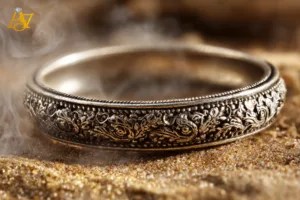
How Often Should You Clean Silver Bracelets?
Cleaning frequency depends on wearing habits and environmental conditions. Creating a regular schedule prevents tarnish build-up and the need for intensive intervention.
What's the Ideal Cleaning Schedule?
Weekly quick cleaning for daily-worn bracelets keeps them pristine. A simple wipe with a polishing cloth after each wear removes oils, sweat, and early tarnish. This takes seconds but makes an enormous difference.
Monthly deep cleaning addresses tarnish that quick cleaning misses. Set aside 15-20 minutes monthly for thorough cleaning using one of the methods described below. Mark your calendar to maintain consistency.
Seasonal professional cleaning provides expert care 2-3 times yearly. Professional jewellers have access to ultrasonic cleaners and specialised solutions that home methods cannot replicate. This professional touch supplements your home maintenance beautifully.
Before storage, cleaning is essential if you won't wear bracelets for extended periods. Clean thoroughly before putting pieces away for season changes or special occasions. This prevents tarnish from developing during storage.
How Do You Know When Cleaning Is Needed?
Visual inspection reveals tarnish early. Check your silver bracelets in good lighting weekly. Yellow tinting indicates early tarnish, whilst grey or black marks show advanced oxidation requiring immediate attention.
The touch test provides tactile feedback. Run your finger along the bracelet. If it feels slightly rough or sticky rather than smooth, it's time to clean.
A smell check can indicate problems. Tarnished silver sometimes develops a metallic odour. Fresh, clean silver should have no scent whatsoever.
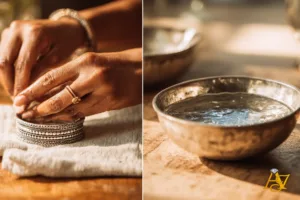
What Are the Best Home Cleaning Methods?
Several effective home cleaning methods use everyday household items. Choose based on your bracelet's condition and the materials you have available.
How Does the Aluminium Foil Method Work?
This chemical reaction method removes tarnish beautifully without abrasives that might scratch silver.
Materials needed:
- Aluminium foil
- Hot water
- Baking soda (1 tablespoon per cup of water)
- Glass or ceramic bowl
Step-by-step process:
- Line your bowl completely with aluminium foil, shiny side up.
- Place silver bracelets on the foil without overcrowding.
- Boil water and dissolve baking soda thoroughly.
- Pour hot solution over bracelets, ensuring complete submersion.
- Wait 5-10 minutes as the chemical reaction transfers tarnish to the foil.
- Remove bracelets using tongs (water remains hot).
- Rinse thoroughly under cool running water.
- Dry immediately with a soft, lint-free cloth.
This method works through ion exchange, transferring silver sulphide from your bracelet to the aluminium. You'll actually see the foil darken as it absorbs tarnish.
Can Soap and Water Clean Silver Effectively?
Yes, mild soap and water handle light tarnish well, and regular maintenance keeps it looking beautiful.
Best practices:
- Use lukewarm water, never hot, which can damage delicate pieces
- Choose pH-neutral dish soap without harsh chemicals
- Create gentle suds rather than concentrated soap
- Soak bracelets for 5-10 minutes
- Use a soft toothbrush for detailed areas and crevices
- Rinse thoroughly under clean running water
- Dry completely immediately to prevent water spots
This gentle method suits bracelets with gemstones, pearls, or delicate designs where harsher methods might cause damage. Regular soap-and-water cleaning prevents tarnish accumulation, so aggressive intervention is not required.
Does Toothpaste Really Clean Silver?
Stop right there. Despite popular belief, toothpaste damages silver more than it helps preserve it. Modern toothpastes contain abrasives designed to clean tooth enamel, which is much harder than silver. These abrasives create microscopic scratches that actually worsen future tarnishing.
If you've already used toothpaste occasionally, your bracelets probably survived, but stop this practice immediately. The temporary shine isn't worth the long-term damage to your silver's surface.
How Effective Is Commercial Silver Polish?
Commercial silver polishes work excellently when used correctly. These specially formulated products combine cleaning agents with mild abrasives explicitly designed for silver's hardness.
Application guidelines:
- Apply a small amount to a soft cloth, never directly to the bracelet.
- Rub gently in straight lines, not circles, which highlight scratches.
- Work in sections for intricate designs.
- Remove all polish residue with a clean, damp cloth.
- Buff dry with a separate soft cloth for a brilliant shine.
- Use sparingly, monthly maximum, to avoid over-polishing.
Quality silver polishes often include anti-tarnish compounds that slow future oxidation. This protective layer significantly extends the time between cleanings.
Can You Use Vinegar to Clean Silver?
White vinegar provides another effective home cleaning option, particularly for moderately tarnished bracelets.
Vinegar cleaning method:
- Mix 1/2 cup of white vinegar with 2 tablespoons of baking soda.
- Soak bracelets for 2-3 hours (no longer, as prolonged soaking can damage them).
- Remove and scrub gently with a soft brush.
- Rinse thoroughly with cool water.
- Dry thoroughly with a soft cloth.
The acetic acid in vinegar dissolves tarnish, whilst baking soda neutralises the acid, protecting silver from damage. This combination provides gentle yet effective cleaning.
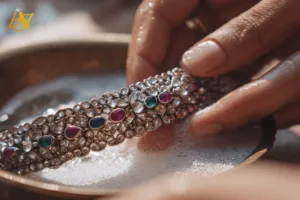
How Should You Clean Silver Bracelets with Gemstones?
Bracelets featuring gemstones require extra caution. Some cleaning methods are safe for plain silver but damage specific stones.
Which Gemstones Need Special Care?
Soft stones like pearls, opals, and turquoise cannot tolerate harsh chemicals or ultrasonic cleaning:
- Clean with a damp cloth only
- Avoid soaking in any solutions
- Never use baking soda or vinegar on these stones
- Professional cleaning recommended for significant tarnish
Porous stones like emerald, lapis lazuli, and turquoise absorb liquids:
- Minimal water exposure
- No soaking whatsoever
- Quick wipe-down only
- Immediate thorough drying is essential
Heat-sensitive stones like opal, pearl, and amber:
- Use only lukewarm or cool water
- Never use hot water or steam cleaning
- Temperature shocks can crack these stones
What's the Safest Method for Gemstone Bracelets?
The gentle soap and water method works best for most gemstone bracelets:
- Use barely warm water
- Create a significantly diluted soap solution
- Clean silver portions carefully with a soft cloth
- Avoid scrubbing near stone settings
- Rinse quickly without prolonged water exposure
- Dry immediately and completely
For valuable gemstone bracelets, professional cleaning provides peace of mind. Jewellers assess each stone's needs and use appropriate methods to prevent damage.

How Do You Maintain Silver Bracelet Clasps and Closures?
Clasps and closures require special attention because they're mechanical components that are subject to regular stress.
Why Do Clasps Need Extra Care?
Frequent use wears clasps faster than bracelet bodies. Opening and closing mechanisms create friction and stress daily. Regular maintenance prevents clasps from failing at inconvenient moments.
Dirt accumulation in tiny spaces compromises clasp function. Body oils, lotions, and environmental grime build up in springs and catches. This accumulation prevents a secure closing, risking bracelet loss.
Tarnish in mechanisms can completely freeze clasps. Oxidation between moving parts creates resistance, making clasps difficult or impossible to operate smoothly.
How Should You Clean Clasps?
Detailed cleaning method:
- Use a soft toothbrush to reach crevices
- Clean around springs and catches thoroughly
- Remove all visible dirt and tarnish
- Ensure moving parts operate smoothly
- Apply a tiny amount of jewellery lubricant to the spring clasps
- Test opening and closing several times
Regular inspection catches problems early:
- Check clasps weekly for smooth operation
- Look for bent components or weakened springs
- Address issues immediately rather than risking loss

What Storage Methods Prevent Tarnishing?
Proper storage between wearings dramatically reduces tarnishing and maintenance needs.
Where Should You Store Silver Bracelets?
Individual pouches prevent scratching and tangling:
- Use anti-tarnish bags designed explicitly for silver
- Store each bracelet separately
- Squeeze out excess air before sealing
- Replace anti-tarnish bags annually
Jewellery boxes with proper lining protect silver:
- Choose felt or fabric-lined compartments
- Avoid wood boxes without lining (wood releases acids)
- Keep boxes in cool, dry locations
- Add silica gel packets to control moisture
Airtight containers provide maximum protection:
- Zip-lock bags work beautifully
- Remove air before sealing
- Place anti-tarnish strips inside
- Store in consistent temperature environments
What Should You Avoid in Silver Storage?
Rubber and latex contain sulphur, accelerating tarnish:
- Never use rubber bands on silver
- Avoid latex or rubber-lined storage
- Keep silver away from rubber bath mats and gloves
Humid environments like bathrooms accelerate oxidation:
- Store in bedrooms or dressing areas instead
- Use dehumidifiers during the monsoon season
- Never store in the kitchen where humidity and food odours combine
Direct sunlight can heat silver unevenly:
- Choose dark storage locations
- Avoid windowsills or sunny surfaces
- Temperature fluctuations from sun exposure cause problems

How Can You Prevent Tarnishing Before It Starts?
Prevention requires less effort than correction. These habits keep silver bracelets brilliant longer.
When Should You Remove Silver Bracelets?
Before bathing or swimming:
- Water alone doesn't harm silver
- Soaps, shampoos, and chlorine accelerate tarnishing
- Remove all silver jewellery before water activities
During exercise and sweating:
- Perspiration contains sulphur and acids
- Physical activity risks damage from impacts
- Store safely during gym sessions, sports, or yoga
While applying cosmetics:
- Put on bracelets after makeup, perfume, and lotion
- Let all products dry completely first
- This sequence prevents chemical contact with silver
During cooking:
- Kitchen environments combine humidity, heat, and sulphur-rich foods
- Eggs, onions, and garlic release tarnish-causing compounds
- Remove bracelets before food preparation
What Wearing Habits Protect Silver?
Put bracelets on last when dressing:
- Apply all cosmetics and products first
- Dress completely before adding jewellery
- This minimises chemical and mechanical stress
Remove bracelets first when undressing:
- Take off before removing clothing
- Prevents snagging or dropping pieces
- Creates safe handling habits
Clean after each wear with a polishing cloth:
- Quick wipe removes oils and sweat
- Takes seconds but prevents build-up
- Makes deep cleaning sessions less frequent
Quick Reference: Silver Bracelet Cleaning Methods
|
Cleaning Method |
Best For | Time Required | Effectiveness |
Materials Needed |
| Aluminium Foil + Baking Soda | Heavy tarnish, plain silver | 15-20 minutes | Very High | Foil, baking soda, hot water |
| Soap and Water | Light tarnish, regular maintenance | 10-15 minutes | Medium-High | Mild soap, soft brush, water |
| Commercial Polish | Moderate tarnish, shine restoration | 10-15 minutes | Very High | Silver polish, soft cloths |
| Vinegar Solution | Moderate tarnish, plain silver | 2-3 hours | High | White vinegar, baking soda |
| Polishing Cloth | Daily maintenance, light tarnish | 2-5 minutes | Medium | Treated silver cloth |
| Professional Cleaning | Gemstone pieces, severe tarnish | 1-2 days | Very High | Professional service |
This table helps you choose the right cleaning method based on your bracelet's condition and available time.

How Do You Handle Antique or Heirloom Silver Bracelets?
Antique silver requires gentler care than modern pieces. Age and previous wear create vulnerabilities demanding extra caution.
What Makes Antique Silver Different?
Patina, developed over decades, creates character that harsh cleaning destroys. Patina is a soft, greyish darkening that naturally forms in the crevices and details of silver over time. Unlike heavy black tarnish, patina adds depth and visual interest by creating contrast between darkened recesses and bright raised surfaces. This aged appearance actually enhances value and aesthetic appeal in antique pieces. Clean carefully to preserve this desirable ageing.
Weakened structures from years of wear make antique bracelets more fragile. Clasps, hinges, and thin areas need gentle handling. Aggressive cleaning can damage pieces beyond repair.
Historical value demands professional assessment before cleaning. What seems like simple tarnish might be necessary historical evidence or original finish. Consult antique jewellery specialists before treating heirloom pieces.
How Should You Clean Antique Silver?
Gentle soap and water only for the first cleaning:
- Use barely warm water
- Minimal soap in a very diluted solution
- Soft cloth without any scrubbing
- Quick rinse and immediate drying
Professional consultation before aggressive cleaning:
- Antique specialists assess the condition properly
- They identify vulnerabilities invisible to untrained eyes
- Professional methods preserve value whilst improving appearance
Accept some tarnish as part of the piece's character:
- Perfect shine isn't always appropriate for antiques
- Original patina adds authenticity and value
- Over-cleaning diminishes historical significance
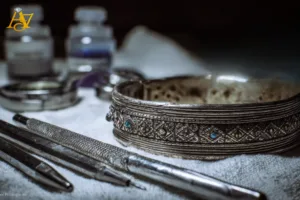
When Should You Get Professional Help?
Some situations require professional expertise beyond home cleaning capabilities.
Severe tarnish that home methods cannot remove indicates the need for professional intervention. Jewellers have access to stronger cleaning solutions and ultrasonic equipment unavailable to consumers.
Damaged clasps or broken links require jeweller repair. Attempting home fixes often worsens damage. Professional soldering and component replacement restore functionality safely.
Gemstone security concerns warrant professional inspection. If stones feel loose or settings appear damaged, jewellers assess and repair issues that could cause stone loss.
Annual maintenance check-ups catch problems early. Professional cleaning, combined with a structural inspection, ensures your bracelets remain safe to wear.
Why Choose Reputable Jewellers?
At Alfa Jewellers, professional cleaning services use methods suited explicitly to each bracelet's materials and condition. The team provides expert assessment, proper cleaning, and structural evaluation, ensuring your silver bracelets receive the care they need and preserving their beauty and integrity.
Established jewellers offer cleaning as ongoing customer service, often complimentary for pieces purchased from them. This relationship provides valuable support throughout your jewellery's lifetime.
Conclusion
Maintaining beautiful silver jewellery at home requires simple habits rather than complicated processes. Regular quick cleaning, proper storage, and occasional deep cleaning using household items keep your silver brilliant indefinitely. Understanding what causes tarnishing helps you prevent problems before they start.
The key is consistency. Weekly wipe-downs take seconds but prevent tarnish, requiring intensive intervention. Monthly deep cleaning sessions maintain showroom shine whilst protecting your investment. These small efforts preserve your silver bracelets’ beauty for decades.
Ready to invest in quality silver bracelets that reward proper care with lasting beauty? Explore our expertly crafted sterling silver bracelet collections at Alfa Jewellers, where superior craftsmanship ensures pieces worth maintaining for generations.




Article
Tips to Clean and Maintain Your Silver Bracelets at Home
Silver bracelets naturally tarnish due to everyday exposure to air, humidity, cosmetics, and even certain foods. The good news? Restoring their shine at home is incredibly easy. From the aluminium foil method to gentle soap-and-water cleaning, this guide walks you through practical ways to maintain your silver bracelets, protect gemstones, store jewellery safely, and recognise when professional care is required.