

This detailed guide reveals 8 effective ways to prevent silver jewellery from tarnishing. It explains the science behind tarnish, including how humidity, sulphur, and daily exposure contribute to dullness. From airtight storage and regular wear to gentle cleaning and protective coatings, each section offers practical, easy-to-follow solutions tailored to Indian conditions. The article also covers climate control during the monsoon season, the importance of quality silver, and why choosing trusted jewellers like Alfa Jewellers ensures long-lasting brilliance.
Why does your beautiful silver jewellery turn black just weeks after purchase? Tarnishing frustrates silver lovers everywhere, but here's the good news: it's completely preventable. These 8 practical tips keep your silver pieces gleaming brilliantly for years, saving you endless cleaning sessions and preserving that gorgeous lustre you fell in love with.

What Actually Causes Silver to Tarnish?
Understanding tarnish helps you fight it effectively. Silver reacts with sulphur compounds in the air, forming a blackish layer of silver sulphide that ruins your jewellery's appearance. This chemical reaction happens naturally, but certain conditions accelerate it dramatically.
Humidity speeds up tarnishing significantly. Coastal areas with salty, moist air create particularly challenging environments for silver. Sweat, perfumes, lotions, and even certain foods release sulphur compounds that attack silver surfaces. The more you understand these triggers, the better you can protect your precious pieces.
Here's something interesting: tarnish proves your silver is genuine. Fake silver or heavily plated pieces resist tarnishing because they contain minimal real silver. So, whilst frustrating, that blackish layer actually confirms authenticity. Now let's learn how to prevent it altogether.
How Fast Does Silver Tarnish?
Tarnishing speed varies enormously based on environmental factors. In humid climates like Mumbai or Chennai, unworn silver can tarnish within weeks. Drier climates offer more protection, but even there, silver eventually darkens without proper care.
Worn silver actually tarnishes more slowly than stored pieces. The friction from daily wear and the natural oils in the skin create protective barriers. This paradox means your favourite, frequently worn pieces often look better than rarely used items sitting in jewellery boxes.

Tip 1: How Should You Store Silver Jewellery Properly?
Storage makes the most significant difference in preventing tarnish. Proper storage limits air exposure, controls humidity, and keeps pieces safe from physical damage. Getting this right means your silver stays brilliant with minimal effort.
What's the Best Storage Method?
Airtight containers are your silver’s best friend. Zip-lock bags, airtight boxes, or vacuum-sealed pouches dramatically slow tarnishing by limiting sulphur exposure. Remove as much air as possible before sealing for maximum protection.
Individual storage prevents scratching and tangling. Store each piece separately in its own bag or compartment. This protects delicate designs, prevents chain knots, and makes finding specific pieces much easier when you’re rushing to get ready.
Anti-tarnish strips absorb sulphur compounds from enclosed spaces. Place these specially treated papers inside your jewellery box or storage bags. Replace them every 6-12 months as they become saturated. These inexpensive strips provide robust protection.
Silica gel packets control moisture brilliantly. Those little packets from shoe boxes or electronics? Save them for your jewellery storage. They absorb humidity that accelerates tarnishing, particularly crucial in India’s monsoon season.
Where Should You Keep Silver Jewellery?
Store silver in cool, dry locations away from bathrooms and kitchens. These rooms harbour humidity and chemical fumes that mercilessly attack silver. Bedrooms or dressing areas typically offer better conditions.
Avoid wooden boxes unless they're lined with felt or fabric. Certain woods release organic acids that tarnish silver. If you love wooden jewellery boxes, ensure the lining creates a barrier between the wood and the silver.
Keep silver away from rubber, latex, wool, and felt that contains sulphur. These materials accelerate tarnishing dramatically. Check your storage materials carefully and choose sulphur-free options whenever possible.

Tip 2: Why Should You Wear Your Silver Regularly?
This seems counterintuitive, but wearing silver protects it. Daily wear creates natural resistance to tarnishing through several mechanisms that stored pieces miss entirely.
How Does Wearing Prevent Tarnishing?
Your skin's natural oils create a protective coating on silver surfaces. This thin layer acts as a barrier against airborne sulphur compounds. The constant, gentle polishing from friction against skin and clothing also removes tarnish before it becomes visible.
Body heat slightly enhances silver's natural antibacterial properties, helping repel some bacteria that cause tarnish. Regular wear also means you notice early signs of tarnish, allowing quick intervention before severe darkening occurs.
Pieces worn daily often outlast rarely-worn items by years. Your favourite necklace, which you wear constantly, looks better than that special-occasion ring sitting in your drawer. This is chemistry working in your favour.
Which Pieces Should You Rotate?
Create a regular rotation schedule for your silver collection. Wear different pieces throughout the week so everything gets regular use. This prevents some items from languishing, whilst others get overused.
Seasonal rotation works well, too. Store summer pieces properly during winter and vice versa. This organised approach ensures your entire collection stays in excellent condition year-round.
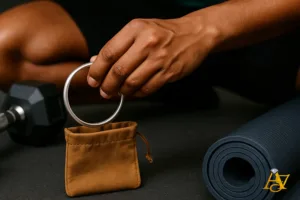
Tip 3: When Should You Remove Silver Jewellery?
Knowing when to remove silver prevents exposure to substances that accelerate tarnishing. Creating removal habits protects your investment whilst maintaining that brilliant shine.
What Activities Require Silver Removal?
Before showering or bathing: Water itself doesn't harm silver, but soaps, shampoos, and body washes contain sulphur compounds and harsh chemicals. These products accelerate tarnishing whilst potentially loosening stones or damaging delicate designs.
During swimming: Chlorine in pools and salt in ocean water attack silver aggressively. A single swim can cause visible tarnishing that is difficult to remove. Always remove silver before entering any water body.
While sweating: Sweat contains sulphur and acids that quickly tarnish silver. Vigorous activity also risks physical damage from impacts or from jewellery becoming caught. Remove pieces before gym sessions, yoga, or sports activities.
When applying cosmetics: Apply perfumes, lotions, hairsprays, and cosmetics before putting on silver jewellery. These products contain chemicals that tarnish silver on contact. Let everything dry completely before wearing your pieces.
During household cleaning: Cleaning products, particularly those containing bleach or ammonia, can permanently damage silver. They can cause discolouration that professional polishing cannot fix. Remove all jewellery before cleaning tasks.
While cooking: Kitchen environments combine humidity, heat, and sulphur-rich foods like eggs and onions. This perfect storm accelerates the tarnishing dramatically. Keep silver jewellery completely away from cooking areas.
How Do You Create Removal Habits?
Place a small dish near your bathroom sink, vanity, and beside your bed. These designated spots remind you to remove jewellery and provide a safe, temporary storage area. Make removal as automatic as washing your hands.

Tip 4: How Can You Clean Silver to Prevent Tarnish Build-up?
Regular cleaning prevents tarnish from becoming stubborn and challenging to remove. Light, frequent cleaning beats intensive sessions that risk damaging your pieces.
What's the Gentlest Cleaning Method?
Mild soap and water work for regular maintenance:
- Use lukewarm water with pH-neutral soap
- Create gentle suds and immerse silver for 5 minutes
- Use a soft brush for crevices and detailed areas
- Rinse thoroughly under clean running water
- Dry completely with a soft, lint-free cloth immediately
This simple method removes daily grime and early tarnish without harsh chemicals. Perform this cleaning every 2-3 weeks for worn pieces, monthly for stored items.
Are There Quick Daily Cleaning Options?
Microfibre cloths provide quick daily polishing. A gentle wipe after wearing removes oils, sweat, and environmental residue before they cause tarnish. Keep these cloths in your jewellery storage area for convenient access.
Silver polishing cloths contain anti-tarnish compounds woven into the fabric. These specially treated cloths clean whilst depositing protective layers that slow future tarnishing. They're reusable until the cloth turns completely black.
Never use paper towels or tissues on silver. These materials can still scratch surfaces despite their soft feel. Always choose proper jewellery cloths explicitly designed for precious metals.

Tip 5: What Products Should You Avoid Near Silver?
Certain substances attack silver aggressively. Knowing what to avoid prevents accidental damage that cleaning cannot reverse.
Which Household Products Damage Silver?
Bleach and chlorine cause permanent damage. They create irreversible discolouration and pitting on silver surfaces. Even diluted bleach in cleaning products poses serious risks. Keep silver far away from any chlorine-based products.
Ammonia-based cleaners strip silver's protective layers. Whilst some silver cleaning methods use very diluted ammonia, household cleaners contain concentrations that damage rather than clean. Avoid these products entirely around silver.
Acetone and nail polish remover dissolve protective coatings and can damage stones set in silver jewellery. Remove all jewellery before manicure sessions and ensure complete evaporation before wearing silver again.
Rubber and latex contain sulphur that tarnishes silver through direct contact. Rubber gloves, latex bands, and rubber mats all pose risks. Never store silver in contact with these materials.
What About Natural Substances?
Eggs, onions, and garlic release sulphur compounds during cooking and eating. Whilst you needn't avoid these foods, remove silver jewellery before cooking them. Wash your hands thoroughly after handling these items before touching silver.
Certain fruits and vegetables contain acids that dull silver. Citrus fruits, tomatoes, and vinegar can all affect silver's appearance. Again, removal during food preparation prevents problems.

Tip 6: How Does Climate Control Help Prevent Tarnishing?
Environmental conditions dramatically affect tarnishing rates. Controlling your storage environment creates ideal conditions that keep silver brilliant longer.
What's the Ideal Environment for Silver?
Low humidity below 50% dramatically slows tarnishing. Use dehumidifiers in storage areas during the monsoon season. Silica gel packets provide localised humidity control inside jewellery boxes and storage containers.
Stable temperatures between 15 and 25°C prevent condensation and chemical reactions. Avoid storing silver in attics or garages where temperatures fluctuate wildly. Consistent conditions mean consistent protection.
Good air circulation in storage rooms prevents moisture accumulation. However, avoid direct airflow onto the silver pieces themselves. You want general room ventilation, not air directly hitting jewellery.
How Do You Protect Silver During Monsoon?
Indian monsoons create particularly challenging conditions for silver. Humidity soars, and moisture permeates everything. Take extra precautions during these months.
Double-bag pieces during the monsoon season. Place silver in zip-lock bags, then place those inside airtight containers. This double protection creates barriers against moisture infiltration.
Increase silica gel usage significantly. Use three to four times more packets than usual during humid months. Replace them more frequently as they saturate faster in high humidity.
Check stored silver weekly during monsoons. Quick inspections catch early tarnish, allowing immediate intervention. This vigilance prevents extensive damage that would require professional restoration.
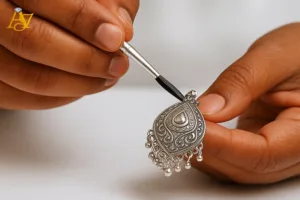
Tip 7: Can You Use Protective Coatings on Silver?
Modern chemistry offers protective coatings that create invisible barriers against tarnishing. These products significantly extend the time between cleanings.
What Types of Protective Coatings Exist?
Clear nail polish provides temporary DIY protection for costume silver jewellery. Apply thin coats to areas that come into contact with the skin. This method suits inexpensive pieces but isn't ideal for delicate jewellery as it yellows over time.
Commercial anti-tarnish sprays create professional-grade protection. These specially formulated products leave invisible, microscopically thin barriers that last months. Apply to clean, completely dry silver following product instructions carefully.
Rhodium plating offers the ultimate protection against tarnish. This professional process coats silver with rhodium, a platinum-group metal. Rhodium never tarnishes and adds brilliant shine. The plating eventually wears off after 1-2 years and requires professional reapplication.
Should You Use Protective Coatings?
For frequently worn pieces, protective coatings significantly reduce maintenance. They're particularly valuable for intricate designs where detailed cleaning proves difficult. The time and effort savings often justify the investment.
However, purists prefer the authentic appearance of uncoated silver. Coatings can slightly alter colour and lustre. For heirloom pieces or high-value jewellery, consult professional jewellers before applying any coatings.
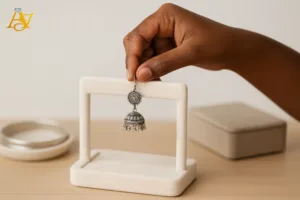
Tip 8: How Should You Handle Silver Jewellery Properly?
How you touch and handle silver affects its condition. Proper handling habits prevent both tarnish and physical damage.
What Are the Best Handling Practices?
Wash your hands before handling silver jewellery. Clean, dry hands prevent the transfer of oils, lotions, and dirt onto silver surfaces. This simple habit makes an enormous difference over time.
Hold pieces by the edges rather than touching decorative surfaces. Fingerprints contain oils and acids that create tarnish spots. Minimising surface contact reduces cleaning frequency.
Put jewellery on last when dressing. Apply all cosmetics, perfumes, and lotions first. Let everything dry thoroughly, then add your silver jewellery. This sequence prevents product contact that causes tarnishing.
Remove jewellery first when undressing. Take off silver before removing clothing to prevent snagging, pulling, or dropping pieces. This order protects both jewellery and clothing.
How Do You Travel with Silver?
Individual pouches protect pieces during travel. Use anti-tarnish bags or wrap each item in soft cloth before packing. This prevents tangling, scratching, and tarnishing during trips.
Avoid checked luggage when possible. Keep valuable silver in carry-on bags where you control conditions. Checked luggage experiences temperature and pressure changes that can affect delicate pieces.
Clean before and after trips. Start travels with pristine silver that's less susceptible to environmental effects. Clean immediately upon returning to remove accumulated travel residue before it causes tarnishing.

Quick Reference: Tarnish Prevention Checklist
This table gives you a quick overview of which prevention methods offer the best value for effort and cost.
|
Prevention Method |
Frequency | Effectiveness |
Cost |
| Airtight storage with anti-tarnish strips | Always | Very High | Low |
| Regular wearing (daily) | Daily | High | Free |
| Remove before water/exercise/cosmetics | Every time | Very High | Free |
| Gentle cleaning with soap and water | Every 2-3 weeks | High | Very Low |
| Avoid damaging products | Always | Very High | Free |
| Climate control (dehumidifier/silica gel) | Continuous | High | Low-Medium |
| Protective coatings | Every 6-12 months | Very High | Medium |
| Proper handling habits | Always | Medium | Free |

Where Should You Buy Quality Silver Jewellery in India?
Starting with quality silver makes prevention easier. Well-made pieces with proper sterling silver composition resist tarnishing better than low-quality alternatives.
What Makes Quality Silver More Resistant?
Proper sterling silver composition (92.5% silver, 7.5% other metals) provides optimal tarnish resistance. Lower-purity silver or unknown alloys tarnish faster and more extensively. Always verify hallmarks showing “925″ or “Sterling silver” stamps.
Quality finishing creates smoother surfaces that resist tarnish. Poor finishing leaves microscopic irregularities where tarnish accumulates. Professional craftsmanship produces pieces that stay beautiful longer with less maintenance.
Secure stone settings prevent moisture and dirt accumulation around gems. Poorly set stones create crevices where tarnish develops quickly. Quality jewellers ensure tight, professional settings that enhance both beauty and durability.
Why Choose Reputable Jewellers?
At Alfa Jewellers, every silver piece meets strict quality standards with proper hallmarking and superior craftsmanship. The collections feature sterling silver jewellery designed for durability and easy maintenance, ensuring your investment stays beautiful for years.
Established jewellers provide care instructions, cleaning services, and expert advice on preventing tarnish. This ongoing support proves invaluable for maintaining your silver collection's brilliance throughout its lifetime.
Conclusion
Preventing silver tarnish requires consistent habits rather than occasional intensive efforts. These eight practical tips create a comprehensive protection system that keeps your silver jewellery brilliant with minimal time investment. From proper storage and regular wear to careful handling and protective coatings, each strategy builds on the others for maximum effectiveness.
The key is starting these habits immediately. Every day of proper care prevents the accumulation of tarnish, which becomes increasingly difficult to remove. Your silver jewellery deserves this attention, and it rewards your care with lasting beauty and brilliance.
Ready to invest in quality silver jewellery that’s built to resist tarnishing and maintain its beauty for years? Explore our expertly crafted sterling silver collections at Alfa Jewellers, where superior craftsmanship meets practical elegance.




Article
8 Tips to Prevent Silver Jewellery From Tarnishing
Silver jewellery’s beauty lies in its radiant shine, but tarnish often dulls that charm too soon. This guide explores why silver turns black and how to stop it with 8 practical tips. Learn smart storage hacks, daily care habits, cleaning routines, and environmental control strategies that keep your silver pieces as stunning as the day you bought them.