

This article explores whether silver is a good investment in 2026, discussing its pros and cons. It highlights silver's affordability relative to gold, its potential for inflation protection, and its industrial demand in sectors such as electronics and solar energy. However, the article also addresses silver's volatility, storage challenges, and lack of income generation. For investors seeking diversification and protection against inflation, silver offers a practical but risky option, best used in moderation within a balanced portfolio.
Should you invest in silver in 2026? This question comes up constantly as people search for alternatives to traditional investments like stocks or property. Silver sits in this interesting space between a precious metal, an industrial commodity, and a tangible asset. Understanding what silver actually offers helps you make informed decisions rather than blindly following trends.

Why Are People Considering Silver as an Investment Now?
Economic uncertainty drives people toward tangible assets. When stock markets fluctuate wildly, and inflation erodes savings, physical assets like silver feel reassuringly real. You can hold silver in your hand, unlike digital numbers in a bank account.
Silver's lower price compared to gold makes it more accessible. Buying gold requires substantial capital, whereas silver allows you to start with modest amounts. This lower entry point appeals to younger investors and those building wealth gradually.
Industrial demand for silver keeps growing. Solar panels, electronics, electric vehicles, and medical equipment all require silver. This practical usage creates baseline demand beyond just investment speculation. That dual role as both a precious metal and an industrial commodity creates interesting dynamics.
What Are the Pros of Investing in Silver?
Silver offers several advantages, making it attractive for specific investment strategies. Let's examine what actually works in silver's favour.
Is Silver More Affordable Than Gold?
Absolutely, and this matters enormously for most investors. Gold currently trades around ₹6,000-₹7,000 per gram in India. Silver costs roughly ₹85-₹95 per gram. This massive price difference allows building positions without enormous capital.
You can start investing in silver with just ₹5,000-₹10,000. Try starting a gold investment with that amount. The accessibility factor shouldn't be underestimated for people beginning their investment journey.
Accumulating silver feels more achievable. Buying 100 grams of silver seems attainable; buying 100 grams of gold requires substantial savings. This psychological factor significantly influences investment behaviour.
Please note: All prices mentioned in this blog are estimates at the time of writing and fluctuate daily based on market conditions. Always check current prices before making investment decisions.
Does Silver Provide Inflation Protection?
Historically, precious metals have maintained their purchasing power during periods of inflation. As paper currency loses value, tangible assets like silver theoretically hold their worth.
India's inflation concerns make this particularly relevant. When the rupee weakens, silver priced in rupees typically rises, helping preserve your purchasing power to some degree.
However, silver's inflation protection proves less consistent than gold's. Silver experiences higher volatility, sometimes declining even during inflationary periods. It's not a perfect hedge, just a potential one.
Can Silver Diversify Your Investment Portfolio?
Portfolio diversification reduces overall risk. Silver moves independently from stocks and bonds, providing balance when other assets decline.
During stock market crashes, precious metals often rise as investors seek safe havens. This inverse correlation creates portfolio stability, cushioning against market turbulence.
Silver's industrial demand means it responds differently to economic conditions than pure precious metals. Economic growth boosts industrial demand, whilst uncertainty drives investment demand. This dual nature creates unique diversification characteristics.
Is Silver More Liquid Than Other Assets?
Silver sells easily almost anywhere. Jewellers, bullion dealers, and online platforms all readily buy silver. This liquidity means that converting silver to cash happens relatively quickly when needed.
Compared to property or art, silver offers dramatically better liquidity. Real estate takes months to sell; silver takes days or even hours.
However, selling silver jewellery often means incurring making charges. Investment-grade silver coins or bars maintain their value better, but you'll still pay bid-ask spreads, which reduce returns.

What Are the Cons of Investing in Silver?
Silver isn't perfect. Understanding limitations and risks helps set realistic expectations and avoid disappointment.
Does Silver Have Higher Volatility Than Gold?
Yes, significantly higher. Silver prices swing more dramatically than gold, both up and down. This volatility creates opportunities but also substantial risks.
A 20-30% price drop in silver can happen within months. If you need to sell during a downturn, you could face substantial losses. This volatility makes silver unsuitable for short-term needs or risk-averse investors.
Industrial demand fluctuations contribute to volatility. Economic slowdowns reduce industrial silver consumption, which puts downward pressure on prices. Investment demand alone cannot stabilise silver markets.
Are Storage and Security Concerns Real?
Physical silver requires secure storage. Unlike digital stocks, silver takes up physical space, raising concerns about theft.
Bank lockers cost money annually. Home safes require investment and still carry security risks. Insurance adds another expense. These ongoing costs reduce your overall returns.
Silver is heavier and bulkier than gold. Storing ₹1 lakh worth of silver requires significantly more space than the equivalent amount of gold. This physical reality creates practical challenges.
Do Making Charges Affect Silver Jewellery Investment?
Absolutely, and this matters enormously if buying silver jewellery as an investment. Charges range from 10-25% of the silver value; you lose the money immediately.
When selling silver jewellery, you typically receive only the metal value minus deductions. Those making charges disappear completely, creating an instant loss on your investment.
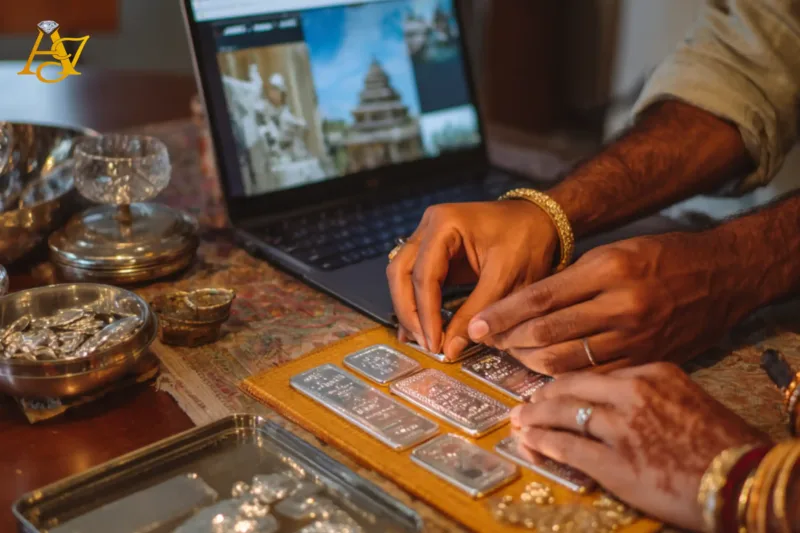
Silver coins or bars avoid making charges but carry their own premiums. Even investment-grade silver costs 5-10% above spot price when buying, reducing potential returns.
Does Silver Generate Income?
Silver produces zero income while you hold it. Unlike dividend-paying stocks or rent-generating property, silver sits there, costing you storage and insurance.
Opportunity cost matters. Money invested in silver cannot earn interest, dividends, or rental income. Over long periods, this foregone income significantly impacts total returns.
Your returns depend entirely on price appreciation. If silver prices stagnate or decline, you're losing money in real terms after accounting for inflation and storage costs.

How Does Silver Compare to Other Investments?
Context matters. Silver's attractiveness depends partly on what you're comparing it against.
Silver vs Gold: Which Is Better?
|
Factor |
Silver |
Gold |
| Affordability | Highly accessible, low entry barrier | Requires substantial capital |
| Volatility | High (20-40% annual swings) | Moderate (10-20% annual swings) |
| Industrial demand | 50%+ of total demand | Less than 10% of demand |
| Storage requirements | Bulky, more space needed | Compact, minimal space |
| Liquidity | Good, but lower than gold | Excellent, universally accepted |
| Market size | Smaller, easier to manipulate | Larger, more stable |
Gold offers stability and reliability. Silver offers affordability and growth potential. Your choice depends on capital available and risk tolerance.
Where Should You Buy Silver in India?
Choosing reputable sources protects against fraud and ensures fair pricing.
What About Banks and Government Mints?
The government mints produce coins and bars that are guaranteed authentic. The Indian Government Mint and MMTC-PAMP offer certified products.
Banks sometimes sell silver coins, though availability varies. The authentication guarantee and reasonable premiums make these reliable sources.
Premiums are higher than at some dealers', but fraud risk drops to essentially zero. For first-time buyers, this peace of mind justifies the extra cost.
Can You Trust Local Jewellers?
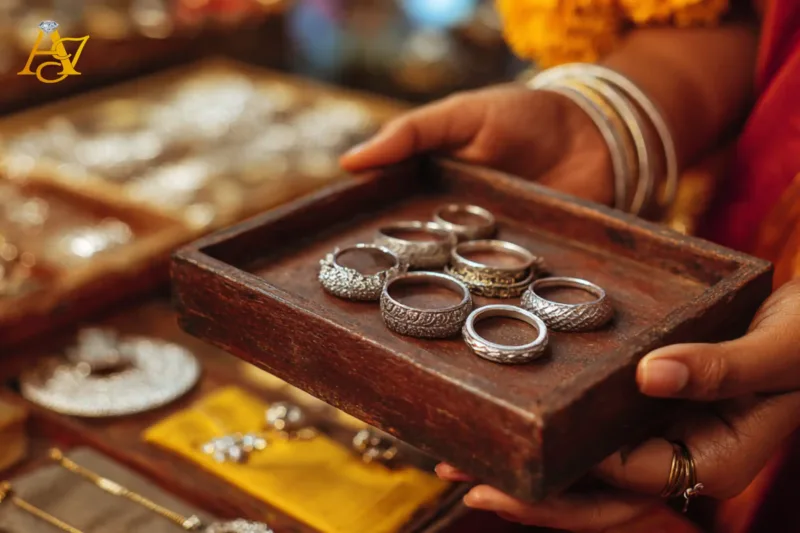
Established jewellers with strong reputations sell silver coins and bars. Verify hallmarking and certification on every purchase.
Charging for jewellery reduces investment returns. If buying from jewellers, insist on investment-grade coins or bars, not jewellery.
Building relationships with reputable jewellers provides reliable sources for buying and selling. Choose businesses operating for decades with verified track records.
Are Online Silver Dealers Safe?
Reputable online platforms offer convenience and competitive pricing. Research thoroughly before purchasing from any online source.
At Alfa Jewellers, certified silver products meet quality standards, whilst competitive pricing provides value. An established online presence, combined with physical stores, offers the security of knowing where to go if issues arise.
Check for proper hallmarking, certifications, clear return policies, and secure payment systems. Never transfer money to individuals through informal channels.
What About Silver ETFs Through Brokers?
Any SEBI-registered stockbroker allows purchasing silver ETFs. This provides the easiest access to silver exposure without physical possession.
ETF purchases happen through your demat account instantly. Selling is equally simple. This convenience appeals to investors comfortable with digital holdings.
Popular silver ETFs in India track international silver prices reasonably well. Check expense ratios and liquidity before selecting specific funds.
Conclusion
Silver in 2026 offers legitimate diversification benefits and potential inflation protection, but comes with significant volatility and storage challenges. It’s neither a miracle investment nor a terrible choice, just one tool in comprehensive financial planning.
The key is realistic expectations and appropriate allocation. Silver should complement, not dominate, your investment strategy. Modest exposure provides diversification without excessive risk. Understanding both advantages and limitations helps you use silver effectively within your broader financial goals.
Ready to explore quality silver investment options? Visit Alfa Jewellers for certified silver coins and bars meeting investment standards, backed by transparency and authenticity guarantees you can trust.




Article
Is Silver a Good Investment in 2026? Pros and Cons Explained
Wondering if silver is the right investment for you in 2026? With its affordability and industrial demand, silver offers unique opportunities but comes with risks like high volatility and storage costs. Read on to understand if silver fits into your investment strategy.