

Have you ever wondered why so many South Indian weddings happen during the Thai month? Falling between mid-January and mid-February, Thai is believed to be a time of good luck, new beginnings, and happiness. Many families choose this period for weddings because it is considered spiritually positive, astrologically favourable, and perfect for starting a new life together.
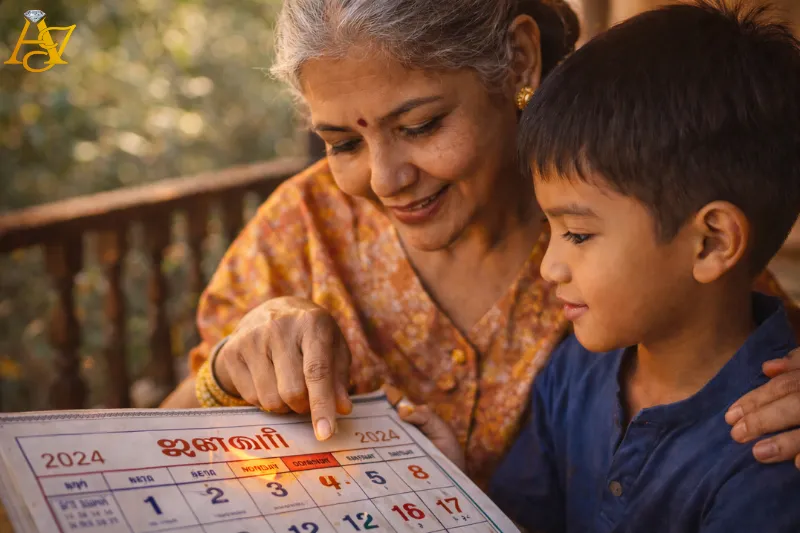
What Is the Thai Month?
The Thai month is a period in the Tamil calendar that begins after Pongal and is believed to bring new beginnings, prosperity, and positive change.
When does the Thai Month Occur?
The Thai month usually falls between mid-January and mid-February. It begins right after the harvest festival of Pongal. This timing makes Thai a natural transition from hard work to celebration.
Because families are relaxed and financially settled, it becomes a popular time for weddings.
How Does Thai Mark a New Beginning?
Thai represents the end of restraint observed during Margazhi. Once Thai begins, families openly celebrate weddings and social events. The overall mood shifts toward joy and togetherness.
This cultural shift makes Thai ideal for starting married life.
Why Is the Thai Month Important in South Indian Culture?
The Thai month is important because it signals hope, abundance, and the right time to begin major life events like marriage.
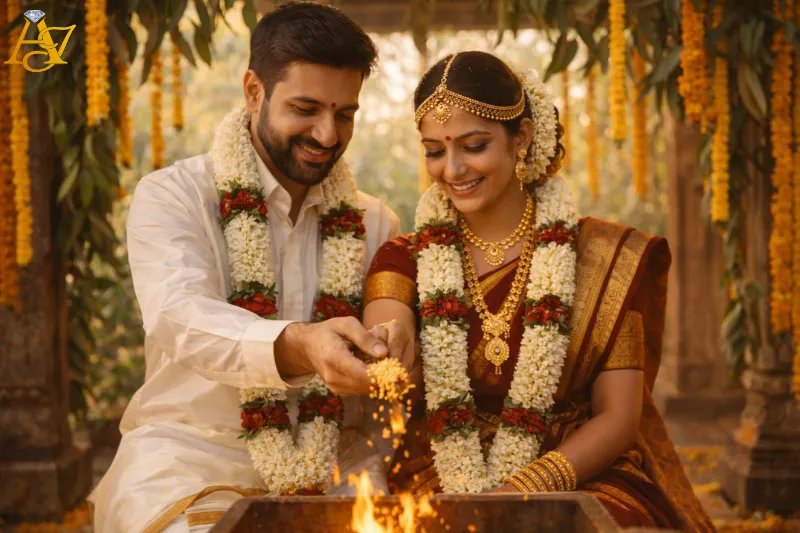
Why Is the Thai Month Considered Auspicious for Weddings?
The Thai month is considered auspicious for weddings because it symbolises prosperity, positive beginnings, and a smooth start to married life.
Why Does Tradition Favour Weddings During Thai?
In Tamil culture, Thai follows Margazhi, a month of spiritual discipline and limited celebrations. Once Margazhi ends, families feel free to host joyful events like weddings. This shift makes Thai a time of openness and happiness.
Tradition strongly supports marriages during this period.
How Does Pongal Influence Thai Weddings?
Pongal marks the successful end of the harvest season. After this festival, families feel financially stable and emotionally relaxed. This makes it easier to plan weddings without pressure.
The festive mood naturally extends into Thai.
Why Do Families Prefer Thai for Marriage Ceremonies?
Thai is believed to reduce obstacles and bring progress. Families trust this month for starting married life because it is linked with harmony and long-term stability. This belief has been followed for generations.
Comfort and confidence play a major role in this choice.
What Cultural Belief Supports Weddings in Thai?
A well-known Tamil proverb explains the importance of the month:
Thai pirandhal vazhi pirakkum
When Thai begins, new paths open.
This saying reflects the belief that positive journeys begin during Thai.
Thai Month vs Margazhi for Weddings
| Aspect | Margazhi | Thai |
| Overall Atmosphere | Calm and prayer-focused | Joyful and celebratory |
| Wedding Ceremonies | Usually avoided | Highly encouraged |
| Family Participation | Smaller, quieter gatherings | Large family celebrations |
| Traditional Meaning | Self-discipline and devotion | Growth, abundance, and forward movement |
| Suitability for Marriage | Generally, not chosen | Considered highly favourable |
How Thai Becomes the Peak Wedding Season
- Margazhi ends and restrictions lift
- Pongal completes the harvest cycle
- Families feel secure and joyful
- Thai begins with positive beliefs
- Weddings are planned across South India
Why Is Thai Still Trusted for Weddings Today?
Thai continues to be trusted because it blends tradition, cultural belief, and the comfort of post-harvest prosperity.
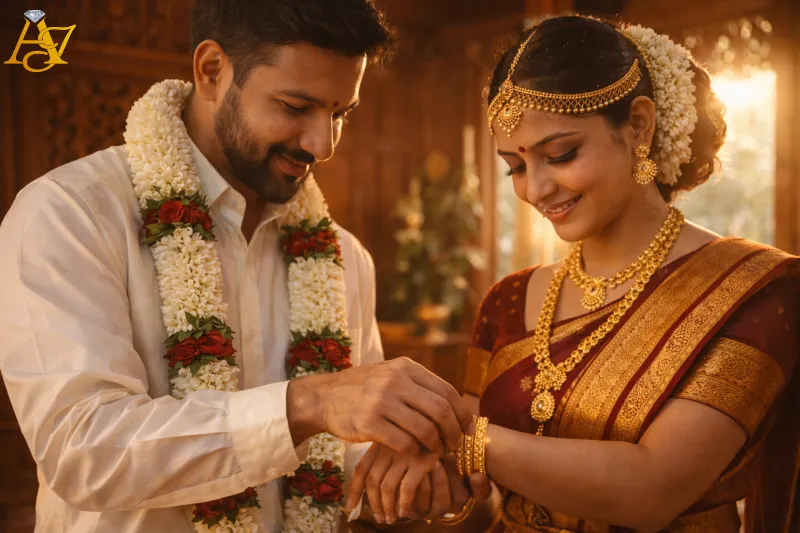
Why Is Gold Jewellery Important During Thai Weddings?
Gold jewellery is important during Thai weddings because it symbolises prosperity, security, and blessings for a successful married life.
Why Is Gold Considered Auspicious in the Thai Month?
The Thai month is linked with abundance and positive beginnings after the harvest season. Buying and gifting gold during this time is believed to attract prosperity. Many families trust that gold purchased in Thai carries long-lasting blessings.
This belief strengthens gold's role in wedding traditions.
What Types of Gold Jewellery Are Common in Thai Weddings?
South Indian weddings during Thai include specific gold jewellery pieces chosen for their cultural value. These pieces are worn during rituals and family ceremonies.
Common gold jewellery items include:
- Mangalsutra (Thaali)
- Necklaces and long harams
- Earrings and jhumkas
- Bangles and armlets
- Waist belts and head ornaments
How Do Families Choose Jewellery for Thai Weddings?
Families plan jewellery based on rituals, cultural importance, and budget. Selecting the right pieces involves balancing tradition, design, and practicality.
Step-by-Step Jewellery Planning for Thai Weddings:
- Decide on the wedding rituals requiring jewellery
- List essential pieces for the bride and close family
- Choose designs that match traditional attire
- Confirm gold purity and certification
- Schedule purchases before the wedding date
Comparison of Popular Jewellery Types for Thai Weddings
| Jewellery Type | Purpose | Occasion/Use |
| Mangalsutra (Thaali) | Sacred symbol of marriage | Thaali Ceremony |
| Necklaces & Harams | Elegance & wealth display | Wedding & Reception |
| Earrings & Jhumkas | Completes bridal look | Wedding & Photoshoots |
| Bangles & Armlets (Vanki) | Prosperity & tradition | Wedding Rituals |
| Waist Belts & Head Ornaments | Status & decorative appeal | Wedding Ceremony |
Why Does Gold Jewellery Hold Emotional Value in Thai Weddings?
Gold jewellery often becomes a lasting family memory. Pieces gifted during Thai weddings are passed down across generations. This emotional connection adds meaning beyond price.
It strengthens cultural and family bonds.
Why Is Gold Jewellery Essential During Thai Weddings?
Gold jewellery is essential during Thai weddings because it combines tradition, prosperity, emotional value, and long-term financial security during an auspicious month.
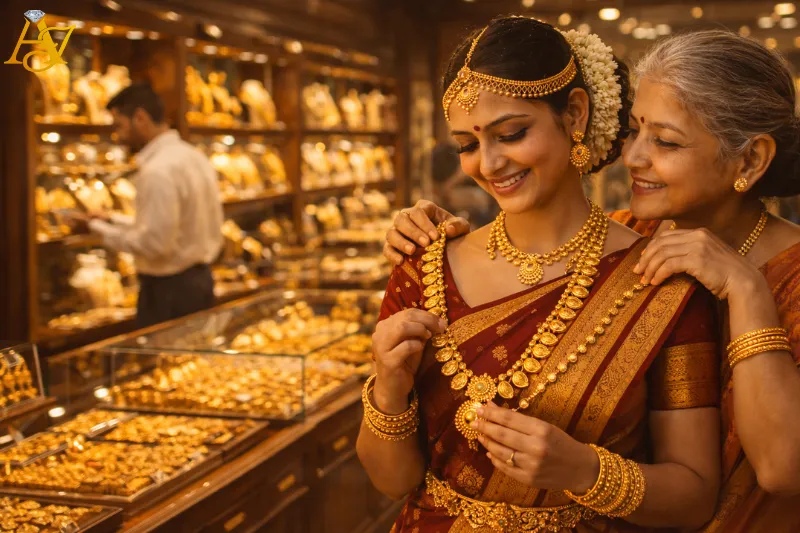
Why Do Jewellers See High Demand During Thai?
Jewellers experience high demand during the Thai month because it is an auspicious period for weddings, gifting, and buying gold, which drives both cultural and financial purchases.
How Does Thai Month Boost Jewellery Sales?
Thai comes right after Pongal and marks a season of abundance and celebration. Families are financially stable after the harvest, making it easier to invest in gold. Additionally, cultural beliefs suggest that buying gold during Thai brings blessings and prosperity.
This combination of tradition and readiness fuels high sales.
What Factors Contribute to Jewellery Demand During Thai?
Several reasons explain why jewellery sees peak sales in Thai:
- Post-Harvest Prosperity: Families have extra income to spend
- Wedding Season: Most South Indian weddings happen during Thai
- Gift Giving: Gold is gifted during engagements, weddings, and family events
- Auspicious Beliefs: Purchasing gold during Thai is considered lucky
How Do Jewellers Prepare for the Thai Season?
- Stock traditional wedding jewellery and trending designs in advance
- Promote certified gold and purity guarantees
- Highlight auspicious dates for jewellery purchases
- Offer discounts and personalised gifting options
- Prepare for large crowds and festive demand
Jewellery Demand: Thai vs Other Months
| Tamil Month | English Month | Demand Level | Main Reason |
| Margazhi | Dec – Jan | Low | Spiritual focus limited weddings |
| Thai | Jan – Feb | Very High | Peak weddings, gifting, auspicious purchases |
| Maasi | Feb – Mar | Medium | Post-wedding events, family functions |
| Panguni | Mar – Apr | Medium | Minor weddings and festive gifting |
| Chithirai | Apr – May | Medium | Some weddings, fewer cultural triggers |
| Vaikasi | May – Jun | Low | Summer season, limited events |
| Aani | Jun – Jul | Low–Medium | Occasional wedding-related purchases |
| Aadi | Jul – Aug | Low | Inauspicious for weddings |
| Avani | Aug – Sep | Medium | Festivals like Varalakshmi, minor weddings |
| Purattasi | Sep – Oct | Low–Medium | Devotional period, few weddings |
| Aippasi | Oct – Nov | Medium | Weddings and festive gifting |
| Karthigai | Nov – Dec | Medium–High | Karthigai Deepam, start of wedding season |

How Do Modern Weddings Keep Traditional Roots Alive?
Modern weddings balance contemporary trends with traditional rituals because families want celebrations that feel both personal and culturally meaningful.
Which Traditional Elements Are Still Important Today?
Even with modern influences, some customs remain central:
- Thaali/Mangalsutra Ceremony: Sacred symbol of marriage
- Gold Jewellery Gifting: Represents prosperity and security
- Religious Rituals: Temple or home ceremonies
- Traditional Attire: Silk sarees, dhotis, and temple jewellery
- Family Blessings: Elders' presence and involvement
How Are Modern Touches Added to Weddings?
Modern weddings often blend technology, style, and convenience without replacing rituals:
- Trendy wedding décor and lighting
- Digital invitations and social media sharing
- Fusion cuisines alongside traditional meals
- Professional photography and videography
- Entertainment like live music or DJ sets
What's the Difference Between Traditional and Modern Weddings?
| Feature | Traditional Weddings | Modern Weddings |
| Attire | Silk sarees & dhotis | Designer gowns & fusion outfits |
| Invitations | Paper cards | Digital invites & online RSVPs |
| Venue | Temple or ancestral home | Hotels, resorts, or outdoor venues |
| Ceremonies | Full religious rituals | Selected rituals with simplified schedules |
| Jewellery | Heavy gold and heirlooms | Blend of traditional & contemporary designs |
How Can You Plan a Wedding That Combines Tradition and Modernity?
- Identify rituals that are most meaningful
- Choose a venue that allows traditional ceremonies and modern décor
- Pick attire that blends classic and contemporary styles
- Select jewellery that honors heritage but suits modern tastes
- Incorporate tech for invites, streaming, and entertainment
Why Modern Weddings Still Value Traditional Roots
Modern weddings value traditional roots because rituals, symbolic jewellery, and family involvement give meaning and continuity, even while embracing contemporary trends.
Final Thoughts
The Thai month symbolises hope, prosperity, and new beginnings. For South Indian families, marrying during Thai ensures cultural alignment, astrological harmony, and a blessed start to married life. It's no wonder that Thai remains the most cherished wedding period across generations.
Planning a wedding or buying gold this Thai? Explore our curated festive jewellery collections at Alfa Jewellers to make your celebrations truly auspicious and memorable.




Article
Thai Month Wedding Season in South India: Why It’s the Peak Time for Marriages
Thai month is one of the most preferred wedding seasons in South India due to its cultural significance and auspicious timing. This article explains why families consider Thai month ideal for marriages, from astrology and tradition to practical planning benefits.